


Jigali Village, Harihara Taluk | Karnataka Edition
Green Gold in Harihara: MGK Biochar and Cow Dung Revolutionize Rice Farming
A lush wave of green is sweeping through Jigali village in Harihara Taluk, where local farmers are witnessing a dramatic transformation in their paddy fields. By combining traditional wisdom with modern soil science, growers are reporting rice crops that are taller, greener, and more resilient than ever before.
The secret behind this success? A powerful “super-mix” of MGK Biochar and natural cow dung manure.
Why the MGK Biochar Formula is Working
Farmers in the region have long relied on cow dung, but the addition of Biochar has acted as a “force multiplier” for soil health.
- The “Sponge” Effect: MGK Biochar’s porous carbon structure acts like a permanent sponge. It captures the nutrients from the cow dung and holds them right at the root zone, preventing them from washing away during heavy rains.
- Water Conservation: In the heat of Karnataka, moisture retention is vital. This blend keeps the soil hydrated longer, reducing the frequency of irrigation needed for thirsty rice stalks.
- Microbial Powerhouse: The biochar provides a “home” for beneficial soil bacteria. When mixed with cow dung, it creates a thriving ecosystem that naturally boosts plant immunity and growth speed.
Voice from the Field
“The difference in my field in Jigali is visible to anyone passing by. By mixing MGK Biochar with our regular manure, the rice stalks are stronger and the soil stays moist much longer. It’s a low-cost way to get a high-quality harvest.”
— Local Farmer, Harihara TalukSustainable Wealth for Karnataka Farmers
As chemical fertilizer prices rise, the shift to MGK Biochar offers a path toward residue-free farming. Not only does it improve this year’s yield, but because biochar stays in the soil for decades, it represents a long-term investment in the land’s fertility.
Experts suggest that this “Green Revolution 2.0” could soon make Jigali a model village for sustainable rice production across the state.
[9:46 pm, 24/4/2026] MGK Solar traps: MGK Enriched Biochar** is positioned as a high-value “Blends” category product (the ₹45–90/kg tier from your chart). It isn’t just raw charcoal; it is a “charged” biological powerhouse.Core Components & Formulation
- Base Material: High-quality biochar derived from crop residues and wood, produced through controlled pyrolysis.
- The “Enrichment” Factor: Unlike raw biochar, which can initially “rob” the soil of nitrogen, MGK Enriched Biochar is pre-loaded with:
- Beneficial Microbes: Nitrogen-fixing bacteria and phosphorus-solubilizing microbes.
- Nutrient Boosters: Organic NPK sources and Humic Acid to stimulate immediate plant response.
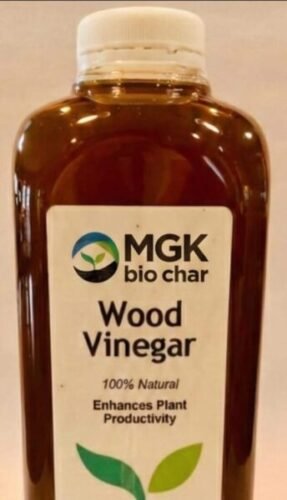
- Wood Vinegar Integration: Often used during the quenching process to add anti-fungal properties and enhance nutrient uptake.
Key Benefits for the Farmer
- The “Permanent Sponge”: It acts as a permanent structure in the soil that holds water and nutrients. Unlike compost, which disappears after a season, MGK Biochar stays in the soil for hundreds of years.
- 30% Fertilizer Savings: Because it prevents nutrient leaching (especially during heavy rains in districts like Davanagere), farmers can reduce their chemical or organic fertilizer input by up to 30% without losing yield.
- Soil Aeration: It physically loosens hard, compacted soil, allowing roots to breathe and expand faster.
- pH Balancing: It helps neutralize acidic soils, making it highly effective for fruit and vegetable plantations.
Application & Market Position
- Target Crops: Ideally suited for high-value crops like Areca nut, Pomegranate, and Ginger, as well as staple crops like Rice.
- Dosage: Typically applied at 250–500 kg per acre, depending on the crop and soil health.
- Sustainability Edge: By using MGK Enriched Biochar, you are helping farmers transition to Residue-Free Farming, which is your primary goal. It also qualifies the farming process for potential carbon credits in the future.